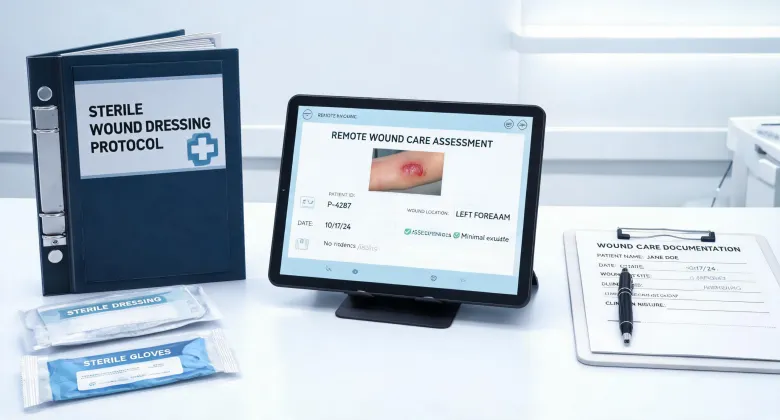
If you're looking at Mölnlycke Health Care AB for your hospital's wound care or surgical needs, here's the honest summary: it's a premium buy that pays off in fewer complications, happier surgeons, and less hassle for my department. I've been managing vendor relationships since 2020, handling about $400k annually across 8 different suppliers, and I've learned that the 10% you negotiate off a cheaper product often gets eaten up by hidden costs—returns, staff time complaints, and, worst of all, a dip in patient outcomes.
This isn't a beginner's guide. This is a real-world look at why Mölnlycke Health Care Company keeps winning bids in our facility, despite not being the lowest-cost option.
How We Got Here: The Price Trap
In my first year as an admin buyer, I made the classic rookie mistake: I chose a cheaper alternative to Mölnlycke's Mepilex dressings. The sales rep was slick, the price was 15% lower, and my finance boss was happy. Three months later, I'd spent twice that amount on replacement orders because the cheaper foam didn't maintain consistent adhesion. Nurses complained about dressing changes being more painful for patients. The surgeon in charge of our wound clinic pulled me aside and said, "We're not doing this again. Get the real stuff."
What Defines Mölnlycke's Quality? (It's More Than a Name)
When I say 'quality,' I don't just mean it works. I mean the entire system behind it.
Safetac®: The Real Difference
The core technology that separates Mölnlycke from dozens of generic wound care brands is Safetac® silicone adhesive. This isn't just a marketing term. I've seen the difference firsthand: dressings that peel off without damaging fragile skin (which means fewer repeat injuries and less work for my wound care team). The sales rep showed me a comparison adhesive test (an actual side-by-side), and while I can't repeat the experiment, the logic is sound.
This was true years ago when silicone technology was limited to expensive, niche burn centers. Now, Mölnlycke has made it standard across their Mepilex, Mepiform, and even their surgical drapes (Barrier line). The 'silicone is too expensive' thinking comes from an era before mass production made it practical for everyday use. That's changed.
The Portfolio is a Feature
Another thing: Mölnlycke isn't just 'a wound care company.' Their surgical gloves (Biogel), drapes, and infection prevention products (like their electronic dispensers) mean I can consolidate vendors. Managing relationships with 8 vendors for different needs is my current reality. If I can merge my surgical and wound care orders into one account, I save on invoice processing time, purchase order fees, and training staff on multiple systems. I did this in our 2024 vendor consolidation project. I cut our ordering time from about 4 hours a month down to 1.5.
Radiology, Blood Analyzers, and CGM? Let's Be Honest.
You might be searching for digital radiography, blood analyzers, or 'how does a CGM work' (continuous glucose monitors). These are completely different product categories. I've seen some sales tactics where a generalist medical supply company tries to be everything to everyone, but Mölnlycke is not that company. They are hyper-focused on wound care and surgical solutions.
Why is this important? Because a vendor who is a jack-of-all-trades often can't match the clinical expertise of a specialist. When I need a digital radiography system, I talk to the imaging specialists. When I need a blood analyzer, I talk to the lab division. But when I need a dressing that won't rip a patient's skin off, I talk to Mölnlycke. Buying a CGM from a wound care rep is like asking your car mechanic to fix your laptop. It might get sorted, but it's not the right tool for the job.
This is a common misconception I had to correct early in my career. I wanted 'one-stop-shops.' I learned that specialized depth always beats broad but shallow breadth in medical equipment.
The Admin Buyer's View: The Hidden Costs of 'Cheaper'
Here's the part that my finance director doesn't see immediately. When I budget for Mölnlycke vs. a generic, I look at:
- Waste: Cheaper adhesives fail early. We throw away half a box because the dressing didn't stick. With Safetac, we use 90%+ of every box.
- Staff Time: Nurses don't have to reapply dressings as often. That's a direct cost saving on nursing hours that companies rarely quantify.
- Patient Outcomes: Lower infection rates are harder to measure on a spreadsheet, but I've seen our quarterly surgical site infection reports improve since we standardized on their Barrier drapes. Anecdotal? Sure. But enough evidence for my surgeon's committee.
I had a situation where a vendor couldn't provide proper invoicing. They lost us $2,400 in rejected expenses because they sent handwritten receipts. Mölnlycke has a proper procurement portal (online ordering). It's not perfect—no system is—but it eliminated the headache of chasing down receipts. That saved our accounting team about 6 hours monthly.
When Mölnlycke Isn't the Right Choice
I'm not going to sell you a perfect product. Here's where you might want to look elsewhere:
- Pure Price Sensitivity: If your procurement mandate is solely 'lowest cost per unit,' and you have zero tolerance for clinical evidence arguments, then a budget option might pass the test. But you'll pay for it elsewhere.
- Simple Wounds Only: For a small clinic with 100 basic cuts per year, you might get away with standard gauze. But I wouldn't risk it.
- You Don't Need the Full Portfolio: If you only need surgical gloves, you could find a cheaper single-line supplier. The value is in the ecosystem.
Final Verdict: Worth the Phone Call
Look, I don't get paid to endorse Mölnlycke. I get paid to manage a clinical supply budget. But after 5 years of managing these relationships, I've found that the brands with the deepest clinical research (like Mölnlycke) are the ones that make my job easier. I don't have to field complaints. I don't have to negotiate return credits for failed products. I just place the order and the product works.
For your next procurement cycle, ask the sales rep for the clinical evidence for their Safetac technology and for a comparison of total cost of ownership (including nursing time). If they can't provide it, that's your red flag.
